
Alumier
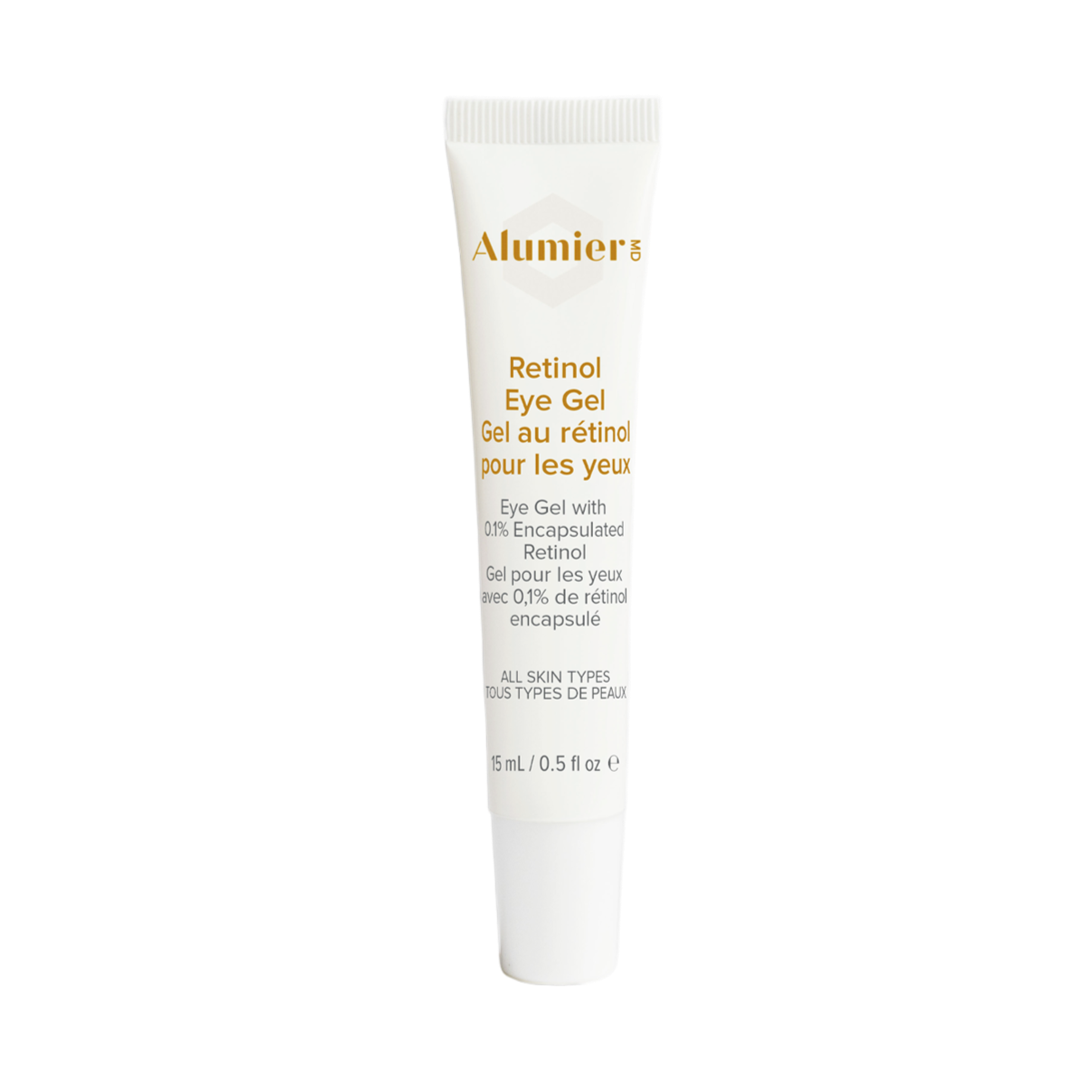
Alumier Retinol Eye Gel
$116.00
Unit price perA gentle retinol for the eye area to smooth fine lines and improve texture.


Alumier Retinol Eye Gel
$116.00
Unit price perA gentle retinol for the eye area to smooth fine lines and improve texture.
Frequently Asked Questions
Is this Retinol Eye Gel suitable for sensitive skin around the eyes?
Yes. This Retinol Eye Gel is formulated to be gentler than full-face retinol treatments because it is designed specifically for the thin, delicate skin around the eyes. It uses a low, targeted retinoid dose in a lightweight gel base to reduce friction and drying, and the eye-specific formulation minimizes spreading onto adjacent facial areas where stronger retinoids are often used. People new to retinol or with mild sensitivity benefit most, especially those concerned about fine lines and texture without aggressive peeling. For authority, note that eye-specific retinoids are commonly recommended to lower irritation risk compared with higher-strength products. Limitation: if you have a history of severe irritation, active dermatitis, or are using prescription retinoids, patch test and consult a dermatologist before use.
How long will it take to see improvements in fine lines and skin texture?
You can expect to see early improvements in texture within about 4 to 8 weeks, with more noticeable reduction in fine lines around 8 to 12 weeks when used consistently. Retinol works by increasing cellular turnover and stimulating collagen production over time, so measurable changes usually require several weeks of nightly use. This timeline applies to users who apply a small amount nightly or every other night and combine the gel with a moisturizer and daytime broad spectrum SPF. People in their 20s to 60s who are consistent with application and avoid excessive exfoliation will benefit most. Results vary with skin baseline, frequency, and tolerance; more dramatic changes typically come from higher-strength or prescription retinoids under medical supervision.
How should I incorporate the Retinol Eye Gel into my skincare routine?
Start with a clear, dry eye area at night. Apply a pea-sized amount and gently pat a thin layer along the orbital bone, avoiding the lash line and inner corner. Begin every other night for the first 2 to 4 weeks, then increase to nightly as tolerated. Follow with a hydrating eye cream or moisturizer to reduce dryness. In the morning, use a broad spectrum SPF because retinoids can increase photosensitivity. This routine minimizes irritation while maximizing retinol absorption and collagen stimulation. It is best for users introducing anti-aging ingredients or combining the gel with moisturizers and sunscreen. Limitation: avoid using the gel on the same night as strong chemical exfoliants (AHA/BHA) to lower irritation risk.
Will this Retinol Eye Gel reduce dark circles and under-eye puffiness?
Partially. The product can help improve pigmentation-related dark circles and skin texture over time because retinol increases cell turnover and can thicken the skin slightly, which reduces the appearance of shadowing. It may also improve fine-line related shadowing. However, retinol is not a fast-acting solution for fluid retention or true puffiness, which are often caused by allergies, sleep, or lymphatic issues and respond better to drainage techniques, cooling agents, or targeted ingredients like caffeine and peptides. People with thin, texture-driven dark circles will see the most benefit from this gel. For persistent or medical causes of puffiness and dark circles, consult a clinician for targeted treatments.
Is this Retinol Eye Gel safe to use during pregnancy or breastfeeding?
No — consult your healthcare provider. Standard medical guidance advises avoiding topical retinoids during pregnancy and breastfeeding due to theoretical risk and limited safety data. While systemic absorption from eye-area applications is generally low, most clinicians recommend erring on the side of caution and choosing non-retinoid alternatives while pregnant or nursing. Safer options commonly recommended include topical antioxidants, peptides, and hydrating ingredients that support skin barrier and brightness without retinoid exposure. People who are pregnant, planning pregnancy, or breastfeeding should speak with their obstetrician or dermatologist before resuming or starting any retinoid-containing product.
Featured collections


